Ascension Parish Regionalization Project (APRP)
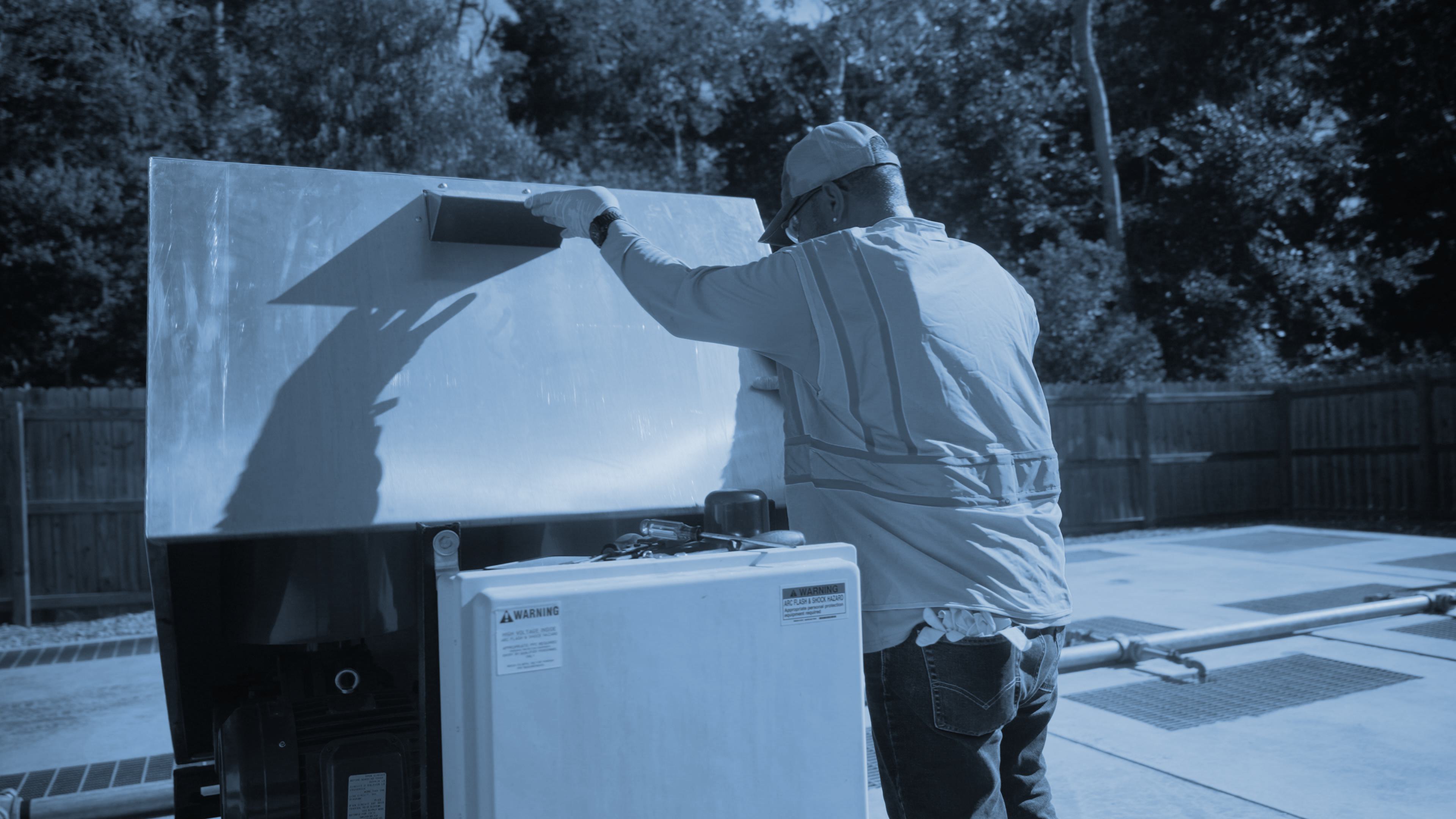
Modern Wastewater Treatment
The Problem
Ascension Parish has faced critical wastewater challenges for decades. With no central sewer system, the parish relies on hundreds of small, decentralized package plants that treat raw sewage directly within residential neighborhoods, schools, and commercial developments.
These aging systems discharge treated water into nearby ditches and waterways — many of which have become environmentally impaired over time. The result is a system that is inefficient, costly to maintain, and unable to support long-term growth.
The Solution
The Ascension Parish Regionalization Project (APRP) is bringing a long-term, reliable sewer solution to our community. The project has been approved and supported by the Louisiana Public Service Commission, Louisiana DEQ, Ascension Parish Government, and parish voters.
When complete, this project will result in stronger infrastructure, lower costs, and cleaner waterways for families and businesses across the parish.
Existing System

Regionalized System

What this means for Ascension Parish and our customers
Cleaner
Local WaterwaysRemoving about 4 million gallons per day of treated wastewater from local ditches and waterways

Improved
Quality of LifeDecommissioning 72 aging neighborhood treatment plants, replacing them with one modern, efficient regional system
Advanced
Monitoring SystemEnabling rapid response to issues and improving service reliability

Financial
Benefits~$550,000 dedicated to recreational improvements from the NWI franchise agreement paid to the parish over the past year


Timeline
2020
NWI and Bernhard begin working with Ascension Parish Government to design the Regionalization Plan.
April 24, 2021
Ascension Parish voters approve the NWI Regionalization Project.
August 16, 2023
The Louisiana Public Service Commission grants final approval for the project.
2022–2023
Hydraulic modeling begins to map how wastewater moves through the parish’s existing pipes and treatment systems, informing design and engineering decisions.
2025
After an extensive search, NWI secures a project site located in a heavy industrial corridor—far away from neighborhoods and residential areas.
2025–2026
Design & Permitting for the project were conducted during this period.
Anticipated in late 2026
For more information on the site identified in the heavy industrial corridor, see NWI Site Selection.